Moss in a Dry County: Why Chelmsford Roofs Still Grow It
Essex has a reputation as one of the driest counties in England, and Chelmsford, its county town, shares that dry character. So it can come as a surprise to find moss thriving on a roof here. If your Chelmsford roof is greening up despite the relative lack of rain, you are not imagining it, and there are good reasons for it. Dryness slows moss down, but it does not stop it, and several local factors combine to let moss establish even in one of the driest parts of the country. This detailed guide explains why Chelmsford roofs still grow moss and what actually keeps them clear.
The quick answer: Chelmsford's roofs still grow moss because dryness only slows growth rather than preventing it. Shade from trees, buildings, and north-facing slopes keeps parts of a roof damp long enough for moss to take hold, aged tile surfaces give spores somewhere to grip, and the city still sees around 657mm of rain a year, peaking in October. Regular gentle cleaning keeps it in check.
1. How Dry Chelmsford Really Is
Chelmsford sits in the rain shadow of the wetter west of Britain, part of a band of low-rainfall counties running up the east coast through Essex, East Anglia, and Lincolnshire. The city sees around 657mm of rain a year, well below the wetter western regions, and that genuinely does make a difference to how quickly moss grows.
But dry is a relative term. Chelmsford still has around 76 rainy days a year, with October its wettest month, and its temperate, often humid climate keeps surfaces damp enough, in the right spots, for moss to establish. Dryness is a brake on moss, not a barrier to it.
2. Shade Matters More Than Total Rainfall
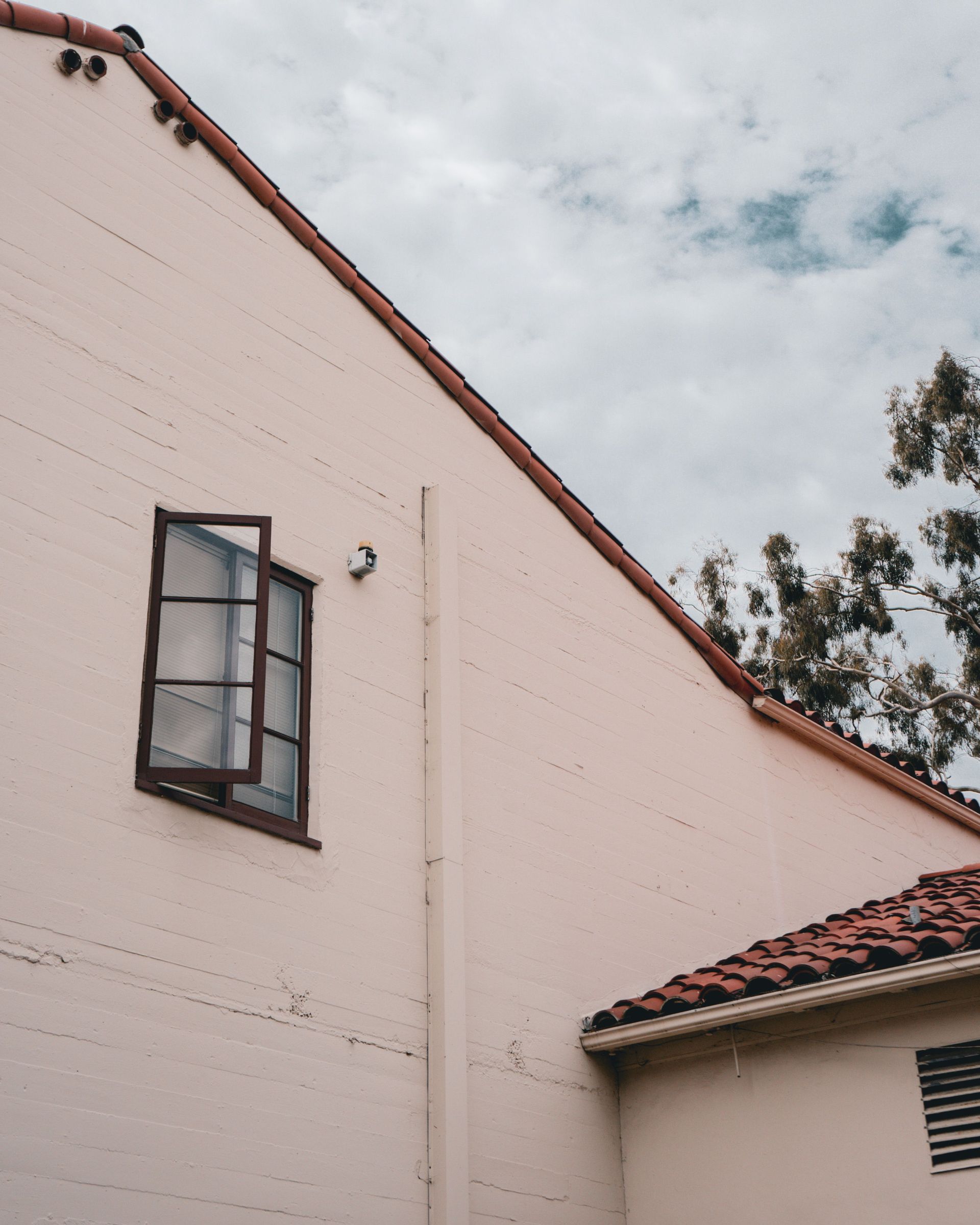
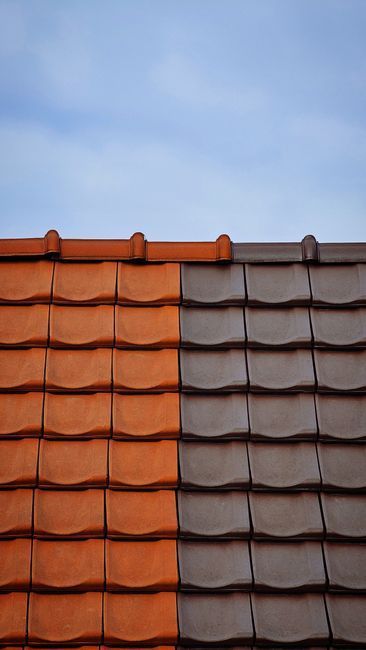
The single biggest factor in whether a roof grows moss is not how much rain falls but how long the surface stays wet, and that comes down to shade. A north-facing slope, or a roof shaded by trees, a neighbouring house, or a tall hedge, dries slowly and holds damp long after the sun has cleared the rest of the roof.
This is why, even in a dry city like Chelmsford, you often see one slope of a roof green while the other stays clear. The rainfall is the same across the whole roof; the difference is shade. A shaded slope in dry Essex can hold enough moisture for moss just as a sunnier slope in a wetter county might stay clear.
3. Aged Tiles Give Moss a Foothold
The condition of the tiles plays its part too. A new, smooth tile surface sheds water fast and gives moss spores nothing to grip. Over the years, though, tile surfaces weather and become slightly more textured and porous, and that texture gives spores somewhere to settle and holds moisture a little longer.
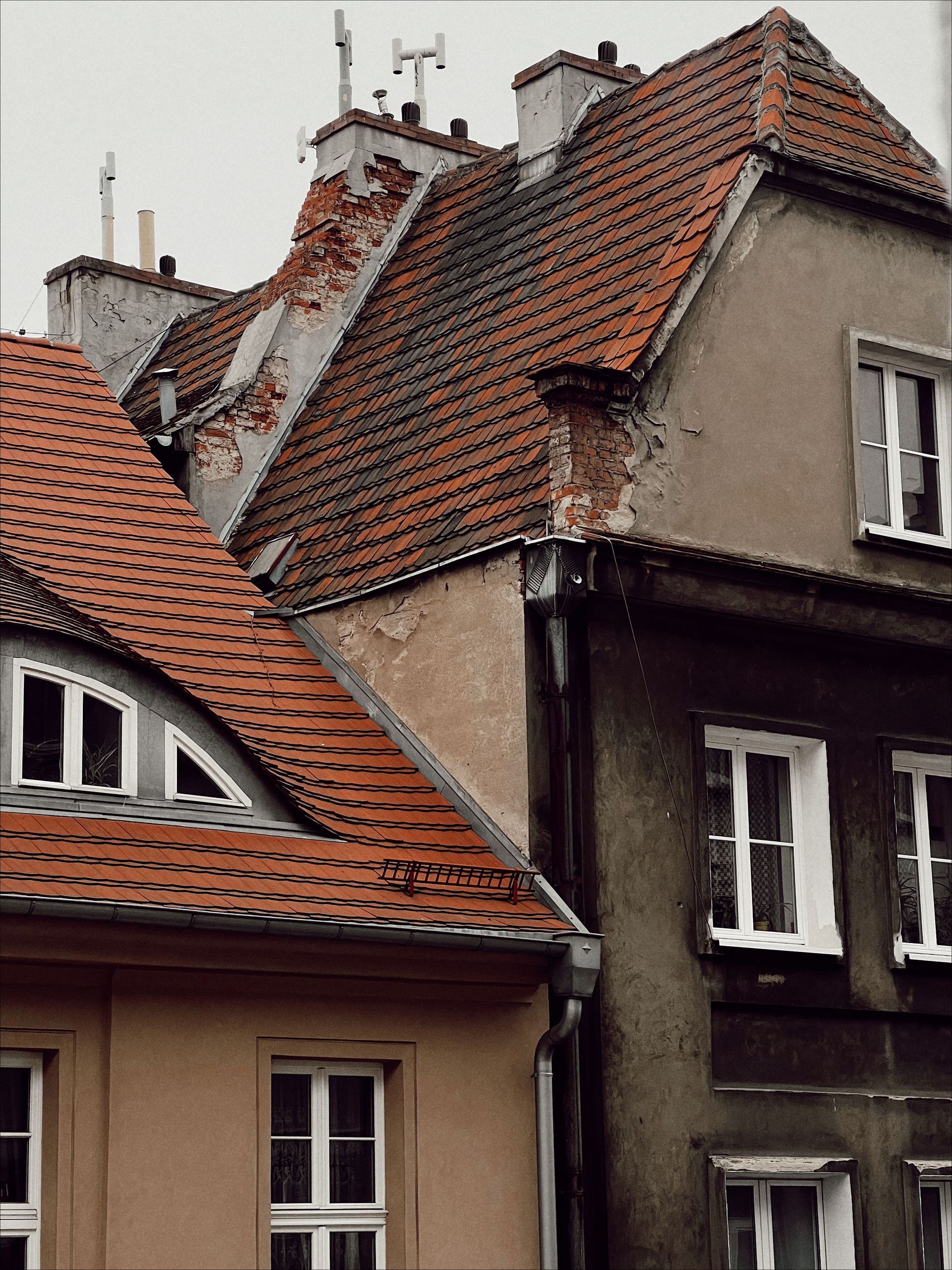
Chelmsford's older homes, and even its mid-century suburbs, have roofs whose tiles have weathered over decades, so they hold growth more readily than a brand-new roof does. This is part of why an established roof in a dry county can still turn green, while a new-build a few streets away stays clear.
4. Trees and Gardens Add Damp and Debris
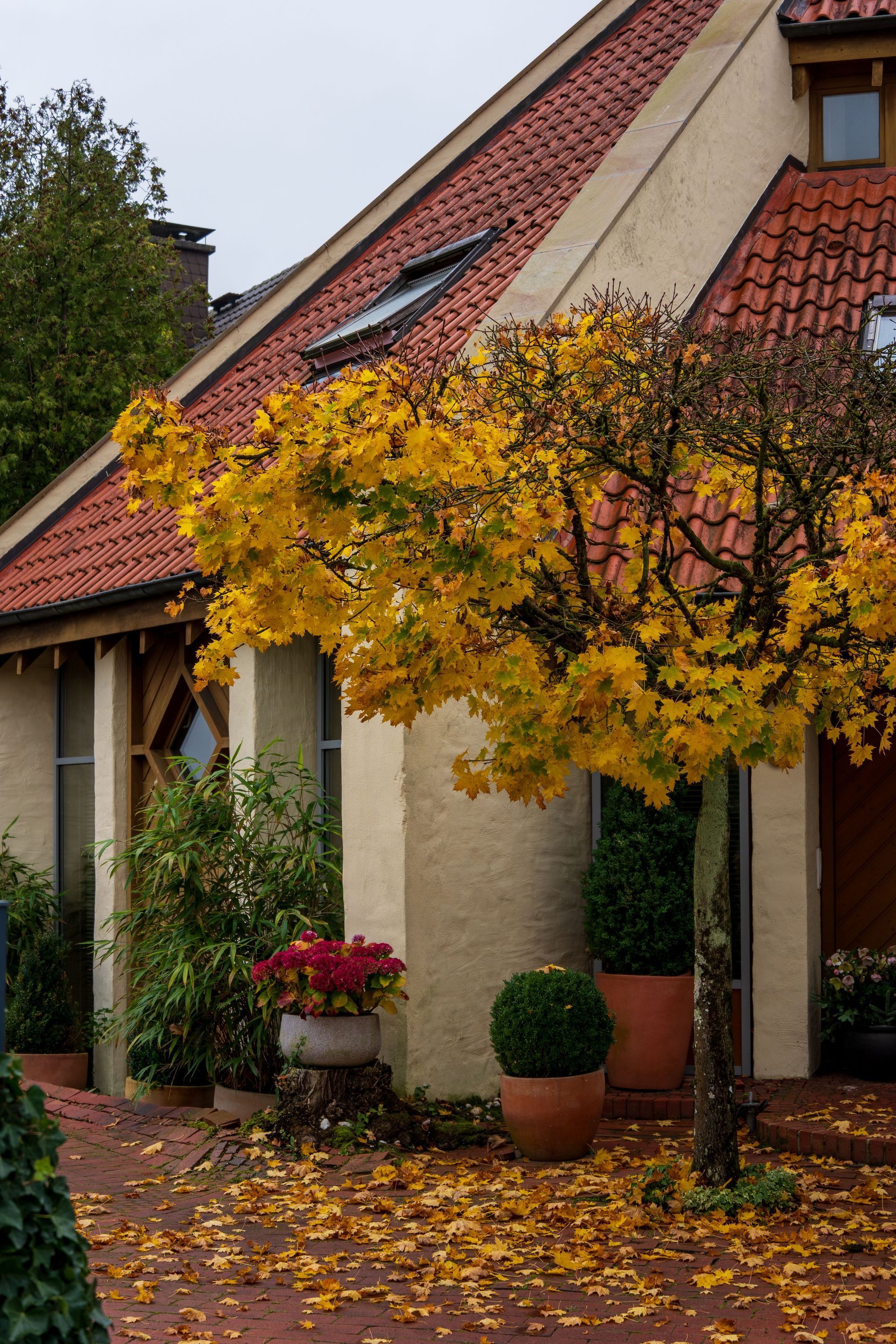
Chelmsford's settled, leafy suburbs and the maturing landscaping of its newer districts add another factor. Overhanging trees cast shade and drop leaves and debris onto the roof, and that organic matter holds moisture and gives moss something to root into. A roof under or near mature trees stays damper and greens faster than one on an open plot.
So even where the wider climate is dry, the immediate setting of a particular house, its trees, its aspect, its neighbours, can create a damp microclimate on the roof that moss is happy to exploit.
5. Why It Is Worth Acting Even in a Dry Area
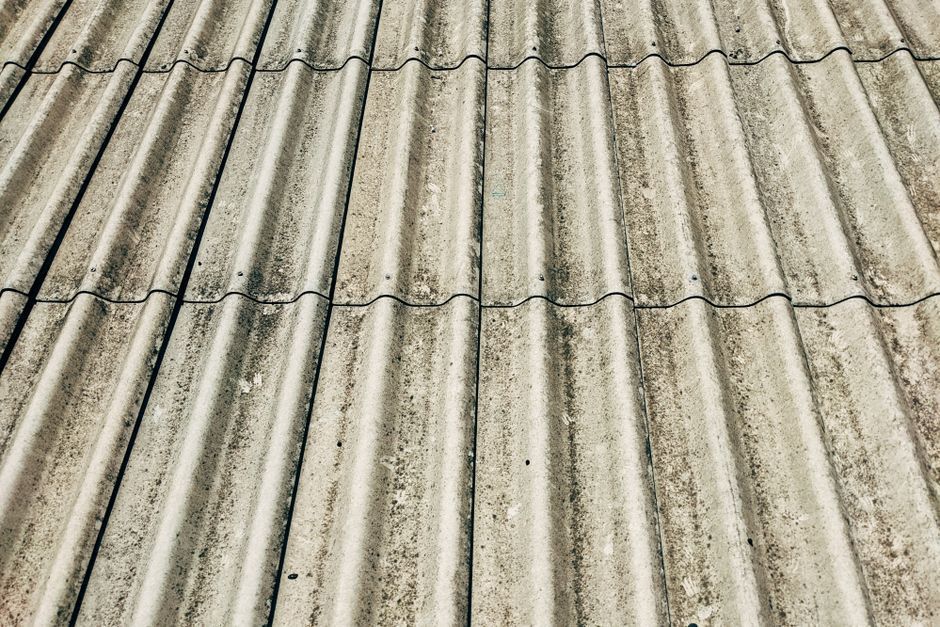
It can be tempting to assume that in a dry county, moss will never get bad enough to matter. But moss on any roof, once established, behaves the same way: it holds moisture against the tiles, works into gaps, and sheds into the gutters. Left long enough, even the slower-growing moss of a dry city can thicken into a covering that causes real problems.
The advantage of Chelmsford's dryness is that it buys time. Growth is slower, so a regular, gentle clean keeps roofs clear comfortably, without the constant battle a wetter region can bring. It pays to use that advantage rather than assume moss will never be an issue.
6. Keeping a Dry-County Roof Clear
The most effective approach is the same as anywhere, adjusted for the slower pace: keep an eye on the shaded slopes, keep gutters clear, and clean gently when moss starts to build. A few signs are worth watching for in Chelmsford:
- Green on the north-facing slope while the sunny side stays clear.
- Moss under or near overhanging trees , common in the leafier suburbs.
- Thickening moss on older, weathered tiles rather than a light tint.
- Moss traces in the gutters , showing the roof is starting to shed.
- Dark streaking spreading across the tiles over the years.
7. The Local Picture
A roof cleaner who knows Chelmsford understands that a dry county is not a moss-free one. The dryness helps, but shade, tile age, and trees still let moss establish, and knowing where to look, the shaded slopes and tree-close roofs, is what keeps on top of it efficiently.
Used well, Chelmsford's dry climate makes roof care easier rather than unnecessary. A gentle clean every so often, timed to the slower growth, keeps a roof here clear and sound with less effort than a wetter region demands.
Frequently Asked Questions
Why does my roof grow moss if Chelmsford is dry?
Dryness slows moss but does not stop it. Shade from trees, buildings, and north-facing slopes keeps parts of the roof damp long enough for moss to establish, and aged tiles give spores somewhere to grip, so moss still grows given time.
Does shade matter more than rainfall?
Yes, largely. How long a surface stays wet matters more than total rainfall, and shade is what keeps a slope damp. A shaded slope in dry Essex can hold enough moisture for moss even when the rest of the roof stays clear.
Is moss slower to grow in a dry area?
Generally, yes. Chelmsford's lower rainfall slows moss compared with wetter regions, which buys time between cleans, but it does not prevent moss from establishing on shaded, weathered, or tree-close roofs.
Do older tiles grow more moss?
Often, yes. As tile surfaces weather over the years they become more textured and porous, giving moss spores somewhere to settle and holding moisture longer, so established roofs green more readily than new ones.
How do I keep a Chelmsford roof clear?
Watch the shaded slopes and gutters, keep overhanging trees trimmed, and clean gently when moss starts to build. The city's dryness means this can be done less often than in a wetter region.
Moss on your roof despite dry Essex?
Ben's Roof Cleaning removes moss and keeps Chelmsford roofs clear with gentle cleaning and gutter clearing, with over 15 years of experience across Essex. Get in touch or call 0124 520 4906
for a free, no-obligation quote.
Dry Helps, But It Is Not the Whole Story
Chelmsford's place in one of England's driest counties genuinely slows moss down, but it does not make roofs immune. Shade, aged tiles, and the trees of the city's leafy suburbs all create the damp, sheltered conditions moss needs, even where the wider climate is dry. The upside is that slower growth makes roof care easier: a gentle clean every so often, with an eye on the shaded slopes, keeps a Chelmsford roof clear and sound. Dry helps, but a little attention still goes a long way.